
Greenwood Cemetery
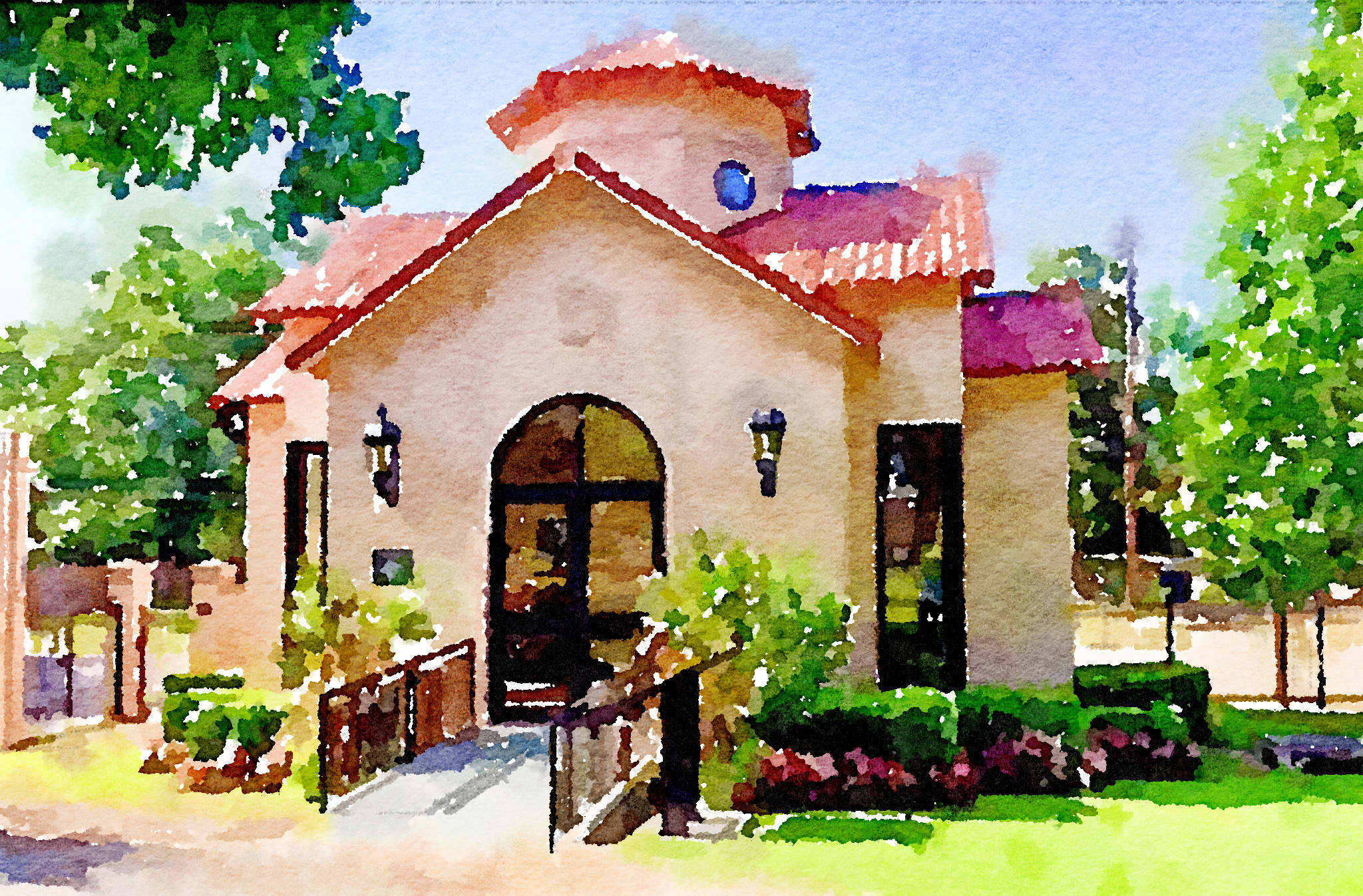
The Gate House
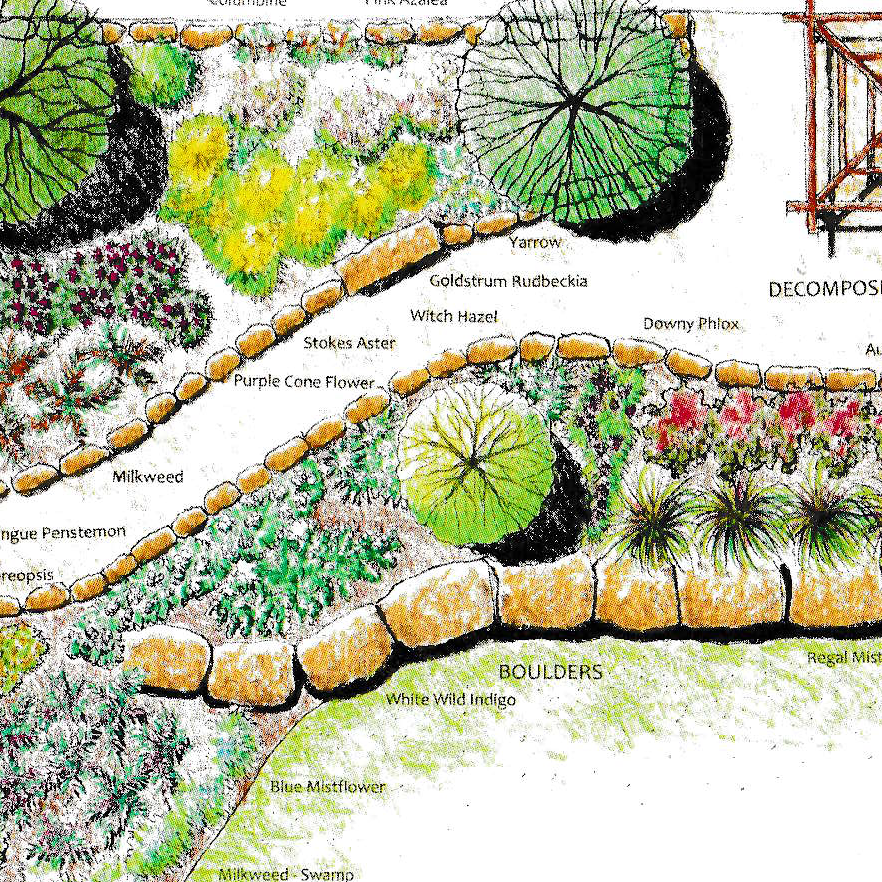
Pollinator Garden
Click image to enlarge
Welcome to Greenwood Cemetery, the second-oldest cemetery in Shreveport, established in 1892.
The natural beauty of its seventy-two acres is only the beginning of a remarkable story set on the edge of the American frontier. Long before the cemetery was founded, this land was home to the Caddo Hadacho Nation, whose territory extended across present-day East Texas, Southwest Arkansas, and Northwest Louisiana. Here, between Silver Lake and the Red River, the Caddo people found ideal hunting and fishing grounds that sustained their community for generations.
Early 1800’s
As Americans moved west along the Texas Trail, many stopped for provisions at Cane and Bennett’s Bluff, where a small trading post stood.
In 1833, Captain Henry Miller Shreve—an inventor and engineer leading the U.S. Army Corps of Engineers—cleared the Red River of the Great Raft, a massive logjam that was perhaps the largest ever recorded in an American river.
Two years later, in 1835, the Caddo Nation signed a treaty ceding their lands to the U.S. government, while reserving a portion for their trusted interpreter and friend, Larkin Edwards.
1840’s
By the 1840s, the young settlement—just eight square blocks along the river—had become a thriving center of steamboat commerce. Cotton was the primary crop and commodity, and both enslaved people and free residents worked in the fields and on the river steamboats.
The Shreve Town Company was formed in 1836 to establish a permanent town at the meeting point of the Red River and the Texas Trail. In 1839, the community was officially named Shreveport in honor of Henry Miller Shreve.
By 1850, Shreveport’s population had grown to nearly 10,000 residents, including both free and enslaved people.
1860’s
During the Civil War, Shreveport became a Confederate stronghold and the headquarters of the Trans-Mississippi Department of the Confederate Army. Seven batteries defended the city, two of which—Batteries 3 and 4—stood within what are now the grounds of Greenwood Cemetery.
Because of its position west of the Mississippi, Shreveport remained engaged in the war several months after General Robert E. Lee’s surrender in April 1865, briefly serving as the Confederate capital. On this site, a Confederate military hospital once stood, surrounded by rows of unmarked graves of both Union and Confederate soldiers who died in the Battles of Pleasant Hill and Mansfield in 1864.
1870’s
Following Reconstruction, Shreveport grew rapidly into a major railroad hub. By the turn of the 20th century, the “iron horse” of the railroad had replaced the steamboats that once dominated the Red River.
The former Confederate military hospital was converted into the Shreveport General Hospital, often referred to as the “Pest House,” where patients with contagious diseases, particularly tuberculosis, were treated.
1880’s
As the city expanded beyond its early boundaries, the Stoner family—immigrants from Kentucky—purchased the land for a plantation. Today, Stoner Avenue, which marks the southern edge of Greenwood Cemetery, bears their name.
In 1882, the City of Shreveport purchased 20 acres of the Stoner family’s land to establish the New City Cemetery. Inspired by the Garden Cemetery Movement, its park-like design featured winding paths, broad walkways, and irregularly shaped plots, creating a reflective and peaceful place for families to gather.
1900’s
The New City Cemetery was later renamed Greenwood Cemetery. As Shreveport continued to grow, Greenwood expanded to its current seventy-two acres. Land within the cemetery was sold to local civic, religious, and fraternal organizations, making it an important part of the city’s cultural and community fabric.
Today
Greenwood Cemetery is more than a monument to the past—it is a place of welcome and renewal for the greater Shreveport community. Serving as both a cornerstone of neighborhood restoration and a living classroom for history and horticulture, Greenwood stands as a beacon of remembrance, reflection, and hope for generations to come.

Proud member of the Garden Club of America